
Introduction to the NAP1-Like Protein Family
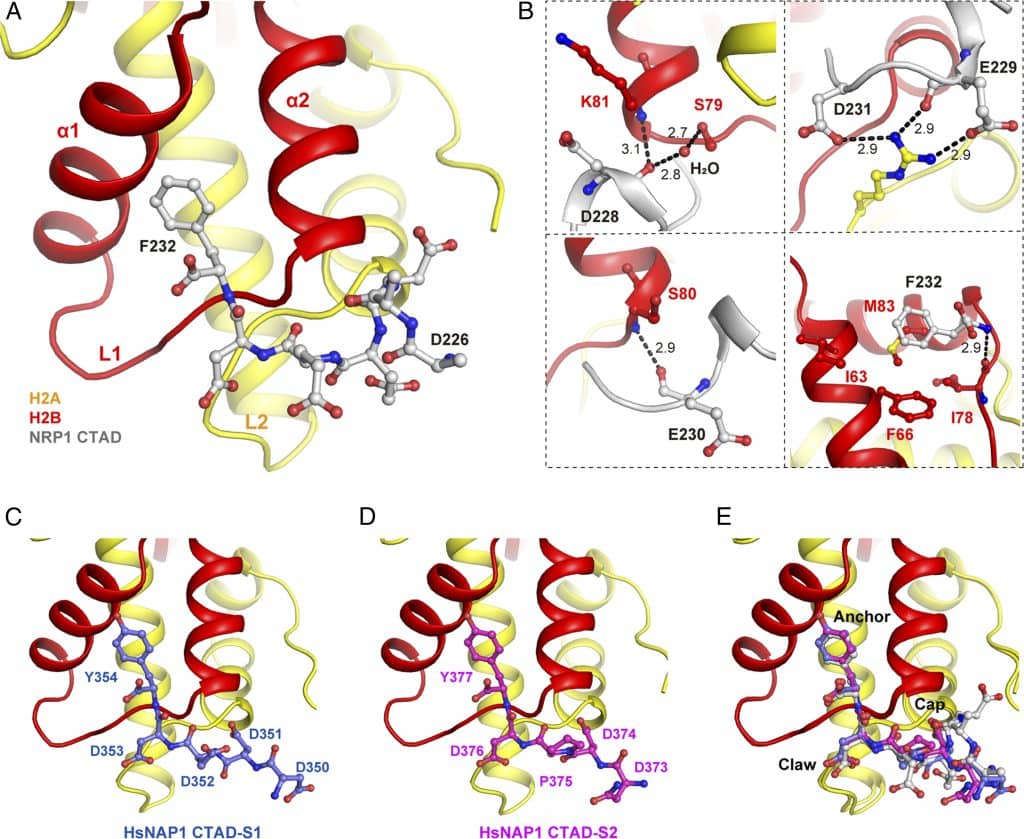
The nucleosome assembly protein 1 (NAP1) family represents a highly conserved group of chromatin-associated proteins involved in essential nuclear processes such as nucleosome assembly, histone transport, transcriptional regulation, chromatin remodeling, and cell cycle progression. Since the first identification of NAP1 in 1978, extensive molecular and cellular studies have demonstrated that these proteins function as histone chaperones that regulate genome organization and gene expression in eukaryotic cells.
In organisms such as yeast and Drosophila, NAP1 proteins have been strongly associated with transcriptional regulation through modulation of local chromatin architecture. By controlling histone dynamics and nucleosome positioning, NAP1 proteins influence DNA accessibility and ultimately determine transcriptional activity across the genome.
In mammals, the NAP1-like family contains at least five members. Among them, NAP1L1 and NAP1L4 are ubiquitously expressed and participate in general chromatin maintenance and histone handling. In contrast, NAP1L2, NAP1L3, and NAP1L5 exhibit neuron-specific expression patterns and are encoded by single-exon genes expressed monoallelically. Evolutionary analyses suggest that these neuronal NAP1-like proteins originated through retrotransposition events from ancestral ubiquitously expressed genes, indicating the acquisition of specialized mammalian neuronal functions.
Biological Role of NAP1L2 in Neuronal Development
Among the neuronal members of the family, NAP1L2 has emerged as a critical regulator of neural differentiation and neurodevelopment. Experimental deletion of the murine Nap1l2 gene results in severe neural tube defects accompanied by abnormal proliferation of neural stem cells. These developmental abnormalities appear to originate from large-scale alterations in transcriptional regulation and chromatin organization.
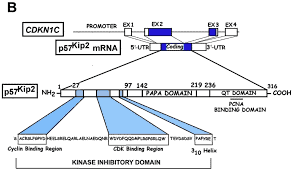
Previous investigations demonstrated that NAP1L2 directly binds the cell cycle regulatory gene Cdkn1c, enhancing histone acetylation locally and promoting an open chromatin configuration favorable for transcription. This mechanism highlights the importance of NAP1L2 in epigenetic regulation during neuronal maturation.
Although NAP1L2 was already known to interact with histones H3 and H4, its interactions with additional protein partners remained largely unexplored. To identify potential interacting proteins, researchers performed a yeast two-hybrid screen using full-length NAP1L2 as bait against a murine embryonic brain cDNA library.
Identification of NAP1L2-Interacting Proteins
The two-hybrid screening revealed several high-confidence interacting partners for NAP1L2. Notably, two of the strongest interactions involved members of the same protein family: NAP1L1 and NAP1L4. This discovery suggested the possibility that mammalian NAP1-like proteins form functional homo- and heteromeric complexes within neuronal cells.
Additional interacting proteins identified included:
- SET binding protein 1 (SETBP1)
- Metal response element binding transcription factor 2 (MTF2)
- Transcription elongation factor A-like 8 (TCEAL8)
- Heterogeneous nuclear ribonucleoprotein C (HNRPC)
Most of these proteins are associated with chromatin regulation, transcriptional control, RNA processing, or epigenetic modulation, supporting the hypothesis that NAP1L2 functions within large chromatin-associated regulatory complexes.
Expression and Localization of NAP1-Like Proteins During Neuronal Differentiation
To determine whether these interactions could occur physiologically, researchers analyzed the expression patterns and intracellular localization of NAP1-like proteins during neuronal differentiation using an ex vivo stem-cell-derived neuronal system.
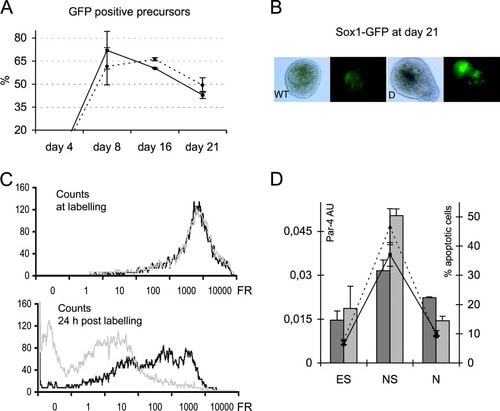
The differentiation model involved embryonic stem cells carrying a puromycin resistance cassette inserted into the Sox1 locus, allowing enrichment of neural stem cells and subsequent differentiation into neurons.
The results demonstrated that:
- NAP1L2 expression is absent in embryonic stem cells but strongly increases during neuronal differentiation.
- NAP1L3 and NAP1L5 expression also rises significantly during neurogenesis.
- NAP1L1 and NAP1L4 are already expressed in embryonic stem cells and remain present throughout differentiation.
These findings indicate that multiple NAP1-like proteins coexist within the same neuronal populations, enabling potential protein-protein interactions in vivo.
Subcellular localization analyses further revealed dynamic redistribution during neuronal maturation:
- In embryonic stem cells, NAP1L1 and NAP1L4 are predominantly cytoplasmic.
- During neuronal differentiation, both proteins acquire mixed cytoplasmic and nuclear localization.
- NAP1L2 is enriched in neuronal nuclei.
Importantly, deletion of Nap1l2 altered the nuclear accumulation of NAP1L1 and NAP1L4, suggesting that NAP1L2 influences the intracellular trafficking and compartmentalization of other NAP family members.
https://www.sciencedirect.com/science/article/pii/S0896627307002954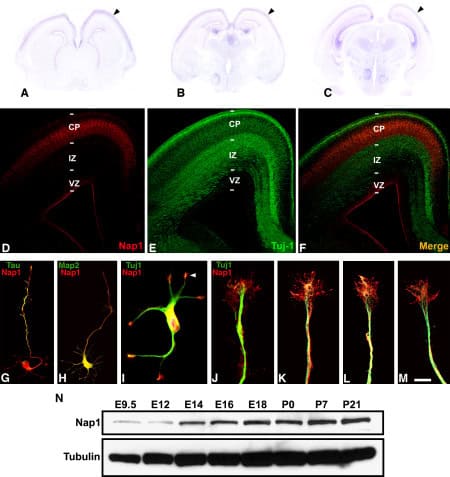
Chromatin Association and Regulation of Cdkn1c
Chromatin immunoprecipitation experiments demonstrated that NAP1L1 and NAP1L4 bind strongly to the first exon of Cdkn1c, the same genomic region preferentially occupied by NAP1L2.
Interestingly, in neurons lacking NAP1L2:
- Binding of NAP1L1 and NAP1L4 to Cdkn1c was significantly reduced.
- Histone H3K9 acetylation decreased.
- Transcriptional activity of Cdkn1c was impaired.
These observations strongly support the existence of cooperative NAP1-like chromatin complexes involved in epigenetic regulation of neuronal genes.
Experimental Validation of NAP1L Interactions
To confirm the direct interactions suggested by the two-hybrid screen, researchers performed co-immunoprecipitation experiments in HeLa cells expressing FLAG-tagged NAP1L2.
The experiments demonstrated that:
- NAP1L2 directly interacts with NAP1L1.
- NAP1L2 also associates with NAP1L4.
- Mass spectrometry identified NAP1L5 within the same complexes.
Further validation using GST pull-down assays showed that NAP1L2 can interact with all NAP1-like family members but not with the more distantly related SET protein.
These data strongly suggest that mammalian NAP1-like proteins form an interconnected interaction network mediated through conserved structural domains.
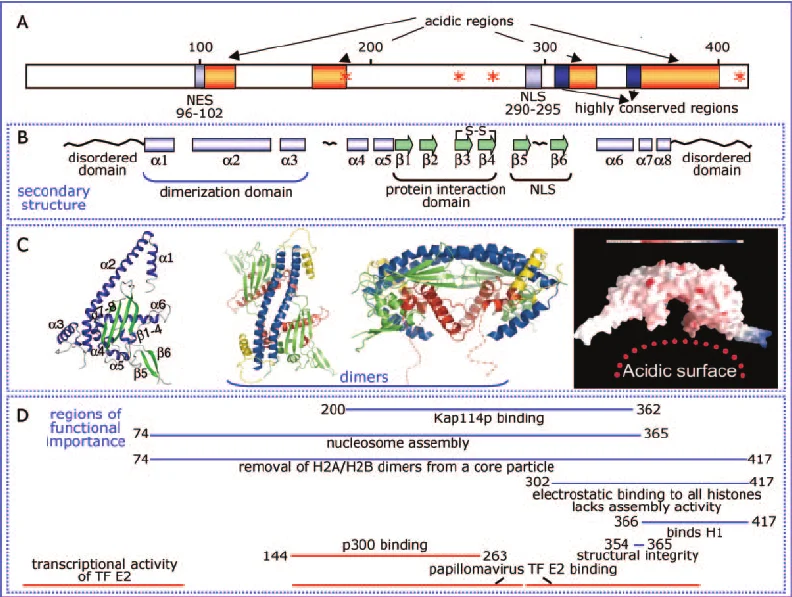
Dimerization Domains and Structural Organization
Detailed domain mapping experiments identified the N-terminal region of NAP1L2, particularly amino acids 1–156, as essential for protein-protein interactions.
This region contains conserved α-helical structures homologous to the dimerization helices previously described in yeast NAP1 proteins.
Structural analyses revealed that:
- The conserved α-helices mediate stable homo- and heterodimer formation.
- The α3 helix contributes to stabilization but is not absolutely required.
- The dimerization domain also influences nuclear-cytoplasmic transport through a conserved nuclear export signal (NES).
Deletion of this domain prevented NAP1L2 from stimulating histone acetyltransferase activity and abolished its ability to activate Cdkn1c transcription, demonstrating that dimerization is essential for biological function.
Computational Modeling of NAP1-Like Complexes
Computational structural modeling further supported the experimental findings. Using the crystal structure of yeast NAP1 as a template, researchers generated hybrid structural models for all possible human NAP1-like dimers.
The models demonstrated:
- High structural compatibility between NAP1-like proteins.
- Conserved dimerization interfaces.
- Minimal steric clashes.
- Favorable interaction energies comparable to native yeast NAP1 dimers.
In contrast, the SET protein displayed structural incompatibility with NAP1-like proteins, explaining the absence of detectable heterodimerization experimentally.
These analyses strongly support the hypothesis that all mammalian NAP1-like proteins can form both homo- and heterodimers in neuronal cells.
Functional Implications in Chromatin Regulation
NAP1-like proteins appear to participate in highly dynamic chromatin regulatory systems within neurons. Their ability to form multiple combinatorial complexes may allow fine-tuning of:
- Histone deposition
- Histone acetylation
- Chromatin accessibility
- Gene-specific transcription
- Neural stem cell proliferation
- Neuronal differentiation
NAP1L2 particularly promotes chromatin states associated with active transcription by increasing histone acetylation and facilitating recruitment of transcriptional machinery such as RNA polymerase II and TFIIb.
Interactions with epigenetic regulators such as MTF2 further suggest that NAP1L complexes participate in sophisticated chromatin-reading and transcription-regulating pathways critical for neuronal identity and function.
Structural Diversity and Epigenetic Complexity
One of the most intriguing findings of this research is the enormous combinatorial diversity generated by NAP1-like proteins.
In embryonic stem cells, only a limited number of dimers can form due to expression of mainly NAP1L1 and NAP1L4. During neuronal differentiation, however, expression of the neuron-specific NAP1L2, NAP1L3, and NAP1L5 proteins dramatically increases the number of potential homo- and heterodimer combinations.
Additional levels of complexity arise from:
- Possible octameric assemblies
- Variable histone-binding affinities
- Distinct acidic surface properties
- Differential incorporation of histone variants
- Interactions with non-NAP regulatory proteins
This extensive molecular diversity likely contributes to the sophisticated epigenetic regulation required for neurogenesis, neuronal maturation, and maintenance of post-mitotic neuronal identity.
Conclusion
The study of NAP1-like family interactions reveals an intricate network of chromatin-associated proteins essential for neuronal development and epigenetic regulation. NAP1L2 functions not only as a histone chaperone but also as a central coordinator of transcriptional regulation through direct interactions with other NAP1-like proteins and chromatin regulators.
Experimental and computational evidence demonstrates that mammalian NAP1-like proteins form stable homo- and heterodimeric complexes through conserved dimerization domains. These complexes influence histone acetylation, chromatin accessibility, transcription factor recruitment, and neuronal gene expression.
The dynamic interplay among NAP1L proteins likely represents a highly specialized regulatory system adapted to the unique transcriptional and chromatin requirements of neuronal cells. Understanding these mechanisms provides valuable insight into neurodevelopmental biology, epigenetic regulation, chromatin remodeling, and potentially the molecular basis of neurological disorders associated with altered chromatin dynamics.