
Introduction to Viral Vector Delivery in Cancer Therapy
Advances in molecular biology, cellular engineering, and genomic medicine have transformed the understanding of disease mechanisms at the molecular level. These developments have accelerated the emergence of molecular therapeutics, including gene-based medicines designed to target specific cellular pathways instead of merely alleviating clinical symptoms. Compared with conventional pharmacological agents, molecular therapies are generally more selective toward diseased tissues and may reduce systemic toxicity in healthy organs.
Despite their therapeutic potential, one of the greatest challenges in modern gene therapy remains the efficient delivery of therapeutic molecules to target tissues. Many molecular medicines are large biological structures such as nucleic acids, proteins, viral particles, and nanoscale carriers. Their size, physicochemical properties, and biological instability significantly complicate transport throughout the body.
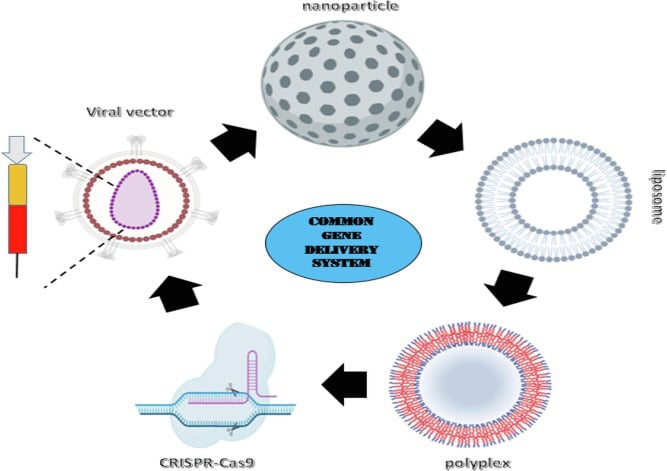
Macromolecules and nanoparticles are widely investigated not only as therapeutic agents but also as delivery systems for conventional drugs with poor tissue bioavailability. Limited tissue penetration may result from multiple factors, including rapid systemic clearance, low specificity, toxicity in normal organs, inability to cross physiological barriers, or poor solubility. Examples of clinically relevant macromolecular systems include antibodies, plasmid DNA, RNA aptamers, liposomes, polymeric nanoparticles, enzymes, viruses, and quantum dots.
Among these systems, viral vectors represent one of the most efficient natural delivery platforms for gene therapy. Viral particles are nanoscale biological carriers evolved specifically to enter cells and transfer genetic material. Because of their high transfection efficiency, viral vectors are extensively explored in cancer gene therapy and other biomedical applications.
However, the in vivo transport of viral vectors is highly complex. Their delivery is controlled by tumor physiology, extracellular matrix composition, vascular permeability, interstitial pressure, immune responses, and the intrinsic characteristics of the viral particle itself. These barriers severely limit efficient distribution inside tumors and contribute to unwanted accumulation in healthy tissues.

Virus-Based Gene Delivery Systems
Viruses possess highly specialized molecular mechanisms that enable them to infect host cells efficiently. Modern biotechnology exploits these natural mechanisms by genetically engineering viral vectors capable of delivering therapeutic genes or selectively destroying tumor cells.
In gene therapy, viral vectors are modified to either:
- Transfer therapeutic genes into target cells
- Produce therapeutic proteins locally
- Correct abnormal cellular phenotypes
- Replicate selectively inside tumor cells to induce oncolysis
Compared with nonviral delivery systems such as plasmids, cationic liposomes, and polymer nanoparticles, viral vectors generally demonstrate superior transfection efficiency, especially in vivo.
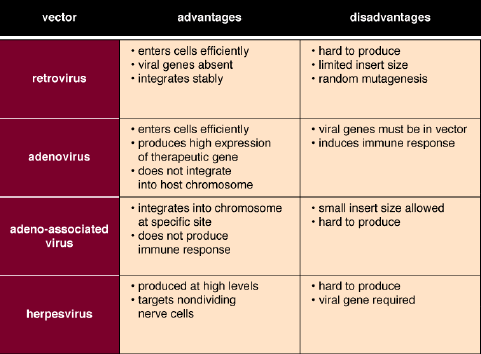
Several viral systems are commonly used in cancer gene therapy, including:
- Retroviruses
- Adenoviruses
- Adeno-associated viruses (AAVs)
- Herpes simplex viruses (HSVs)
- Poxviruses
Each viral platform exhibits distinct biological characteristics, tissue tropism, immunogenicity, and transgene capacity.
Clinical Applications of Viral Gene Therapy
Virus-mediated gene therapy has demonstrated promising outcomes in both inherited and acquired diseases. One of the earliest successful applications involved the treatment of adenosine deaminase (ADA) deficiency, a severe immunodeficiency disorder in children.
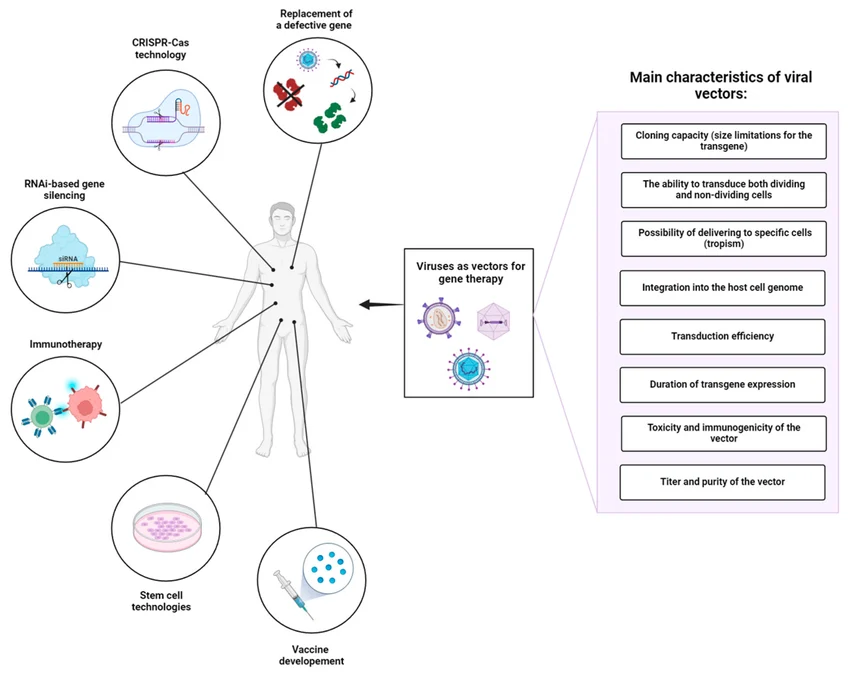
Cancer remains one of the primary targets of gene therapy research and represents a major area of ongoing clinical investigation. Several therapeutic strategies are currently explored in oncology:
Major Strategies in Cancer Gene Therapy
Immune System Activation
Therapeutic genes may stimulate immune responses against tumor cells, enhancing antitumor immunity.
Suicide Gene Therapy
Specific enzymes are delivered into tumors to convert inactive prodrugs into toxic anticancer compounds directly within the tumor microenvironment.
Protection of Healthy Tissues
Gene therapy can increase resistance of normal tissues to chemotherapy-induced toxicity.
Antiangiogenic Therapy
Therapeutic genes can inhibit tumor angiogenesis and disrupt tumor-associated vasculature.
Mutation Compensation
Gene transfer may correct molecular abnormalities responsible for malignant transformation.
Oncolytic Viral Therapy
Engineered viruses selectively replicate inside tumor cells until cellular lysis occurs, resulting in destruction of cancer tissue.
Advantages of Viral Gene Therapy Over Protein Therapy
Gene therapy offers several important advantages compared with direct administration of therapeutic proteins.
Sustained Therapeutic Production
Transfected cells continuously synthesize therapeutic molecules over extended periods, reducing the need for repeated injections.
Controlled Gene Expression
Transgene activity may be regulated by internal biological signals or external stimuli such as heat or radiation, allowing localized and temporally controlled therapy.
Stable Therapeutic Concentrations
Gene therapy can maintain sustained levels of therapeutic proteins inside target tissues, often exceeding concentrations achieved by systemic protein administration.
Improved Therapeutic Specificity
Localized production of therapeutic agents reduces systemic exposure and may improve treatment precision.
Cost and Manufacturing Benefits
Producing therapeutic proteins directly inside the body may reduce the complexity and expense associated with industrial protein manufacturing.
Despite these advantages, viral gene therapy also presents major limitations. Viral proteins can trigger acute immune responses, while off-target transgene expression in normal tissues may produce serious adverse effects.
Because therapeutic efficacy and toxicity are both dose-dependent, improving the efficacy-to-toxicity ratio remains a critical objective in viral vector engineering.
Extracellular Transport of Viral Vectors in Tumors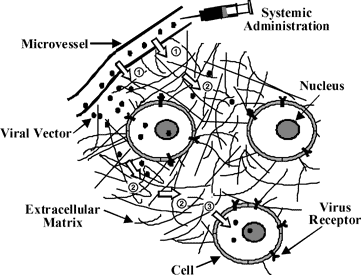
Efficient delivery of viral vectors requires successful transport through tumor tissues after administration. Three principal delivery methods are commonly used:
- Intravenous injection
- Intratumoral injection
- Implantation of polymeric devices releasing viral vectors locally
Regardless of the administration route, extracellular transport represents a major obstacle because viral particles are relatively large compared with the pores and spaces within the tumor extracellular matrix.
Tumor tissues create a hostile environment for viral transport due to:
- Dense extracellular matrix networks
- Elevated interstitial fluid pressure
- Irregular vascular architecture
- Poor lymphatic drainage
- Heterogeneous blood perfusion
These barriers severely restrict diffusion and convection of viral particles inside solid tumors.
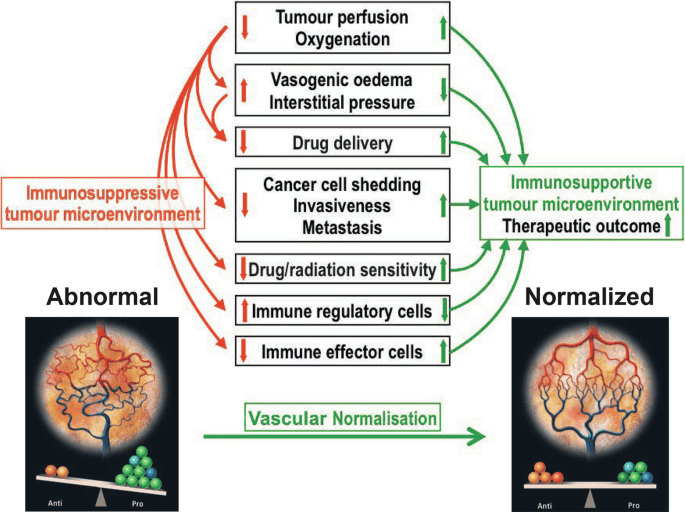
Tumor Microcirculation and Vascular Abnormalities
Tumor blood vessels are structurally abnormal and highly disorganized. Unlike normal vasculature, tumor vessels exhibit:
- Irregular diameters
- Chaotic branching patterns
- Shunts and vascular loops
- Unstable blood flow
- Temporal changes in circulation direction
This vascular heterogeneity causes uneven distribution of oxygen, nutrients, and therapeutic agents throughout the tumor.
Regions with poor perfusion receive limited amounts of intravenously administered viral vectors, reducing therapeutic efficiency.
Transvascular Transport of Viral Vectors
To reach tumor cells after systemic administration, viral vectors must cross the tumor microvascular wall.
This process depends on:
- Viral particle size
- Surface charge
- Vascular permeability
- Pressure gradients across blood vessels
Tumor vessels are generally more permeable than normal vessels due to defective endothelial structures and enlarged vascular pores. In some tumors, pore diameters exceed 100 nm, allowing partial extravasation of nanoscale viral vectors.
In contrast, normal tissues possess much smaller endothelial pores, limiting passive viral accumulation outside specialized organs such as the liver and spleen.
Interstitial Transport Limitations in Solid Tumors
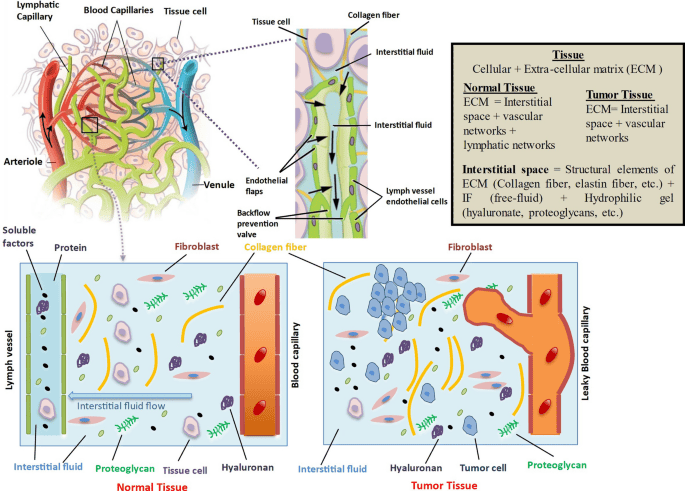
After exiting blood vessels, viral vectors encounter the tumor interstitial space, where movement is highly restricted.
Several factors impair interstitial transport:
- Elevated interstitial fluid pressure
- Minimal convective flow
- Long diffusion distances
- Dense extracellular matrix fibers
- Binding to cellular receptors and matrix components
- Rapid viral inactivation
As a consequence, many viral vectors remain confined to perivascular regions and fail to penetrate deeply into tumor tissue.
This limitation is particularly severe for nonreplicating viral vectors, which rely primarily on passive diffusion for tissue distribution.
Systemic Distribution and Off-Target Accumulation
Systemically administered viral vectors frequently accumulate in normal organs, especially those belonging to the reticuloendothelial system (RES).
Major target organs include:
- Liver
- Spleen
- Lungs
- Kidneys
The liver is a dominant site of adenoviral accumulation because of:
- Large sinusoidal pores
- High vascular permeability
- Uptake by Kupffer cells
- Expression of adenovirus receptors on hepatocytes
The biodistribution of viral vectors varies depending on:
- Viral type
- Animal species
- Injection route
- Tissue receptor expression
Rapid plasma clearance also limits tumor delivery efficiency. Some viral vectors exhibit plasma half-lives of only a few minutes after systemic administration.
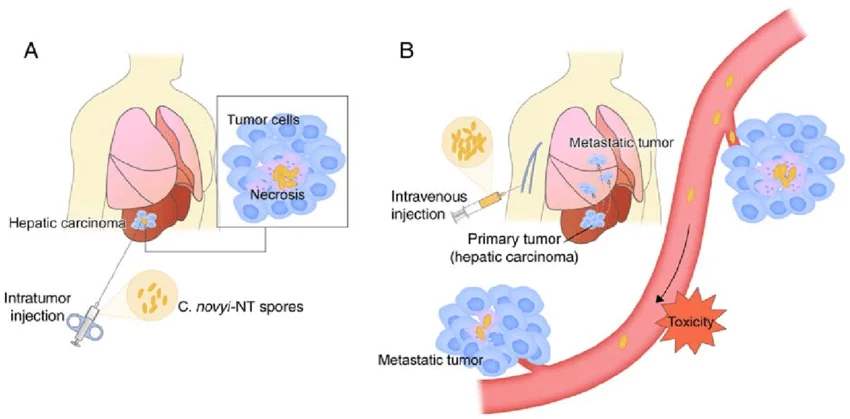
Intratumoral Infusion of Viral Vectors
Intratumoral infusion is used to bypass vascular transport barriers and directly deliver vectors into tumor tissue.
This method offers several benefits:
- Enhanced local concentration
- Increased convective transport
- Improved interstitial penetration
- Reduced systemic exposure
However, viral dissemination from tumors into systemic circulation remains a significant concern. During infusion, vectors may escape through leaky tumor microvessels and accumulate in normal organs such as the liver and lungs.
In some experimental studies, a large proportion of infused viral particles rapidly disseminated outside the tumor.
Strategies to Improve Viral Vector Delivery
Modern cancer gene therapy focuses heavily on overcoming transport barriers and reducing toxicity.
Several advanced strategies have been developed to improve viral vector performance.
Reducing Plasma Clearance and Immunogenicity
Surface modification technologies can prolong circulation time and reduce immune recognition.
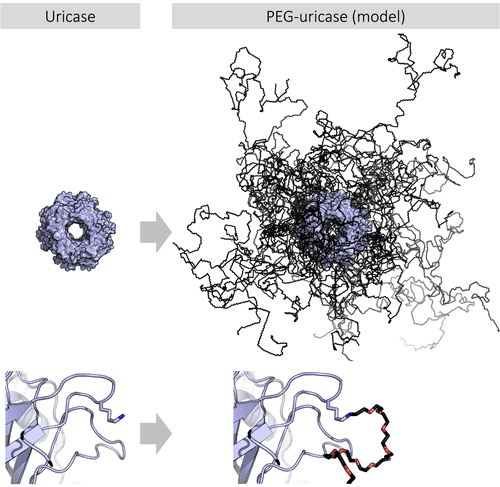
PEGylation
Polyethylene glycol (PEG) coating is widely used to:
- Increase plasma half-life
- Reduce immunogenicity
- Improve viral stability
- Enhance systemic delivery
PEGylated viral vectors may also permit repeated administration by minimizing immune clearance.
Polymer Coatings
Other polymers such as poly(N-(2-hydroxypropyl)methacrylamide) (PHPMA) are investigated for reducing toxicity and extending circulation time.
Improving Interstitial Transport in Tumors
Intratumoral Convection-Enhanced Delivery
Direct infusion into tumors generates pressure gradients that improve convective movement of viral vectors.
Image-guided infusion technologies may optimize vector distribution and minimize tissue damage.
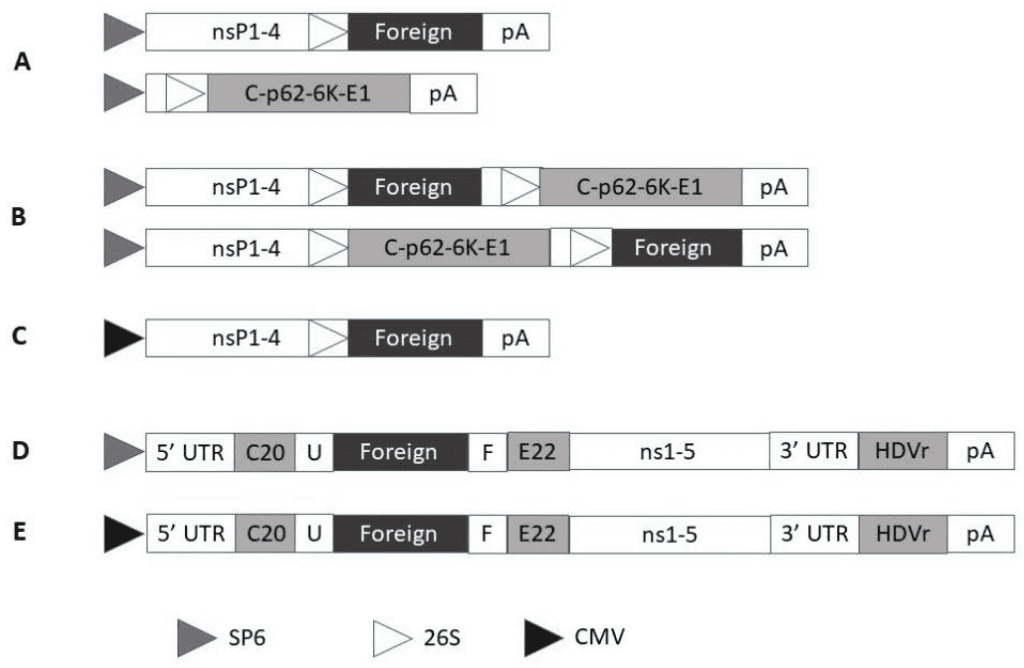
Self-Replicating Viral Vectors
Replicating viral systems can actively spread through tumor tissue more efficiently than passive diffusion-based systems.
These vectors may improve penetration into poorly accessible tumor regions but require strict control to prevent damage to healthy tissues.
Reducing Viral Dissemination
To limit systemic leakage during intratumoral infusion, researchers have explored viscous polymer solutions such as alginate-based formulations.
Highly viscous carriers can partially block fluid flow through damaged tumor vessels, reducing dissemination while maintaining local transgene expression.
Targeted Delivery of Viral Vectors
Targeted gene delivery aims to maximize tumor specificity while minimizing toxicity in normal organs.
This strategy involves modifying viral surface ligands to recognize tumor-associated receptors or extracellular matrix components.
Physicochemical Targeting Approaches
Several targeting systems are investigated, including:
- Bispecific antibodies
- Antibody-ligand conjugates
- Polymer-ligand complexes
- Growth factor conjugates
These modifications redirect viral tropism toward specific tumor cell receptors.
Genetic Engineering of Viral Tropism
Viruses may also be genetically engineered to express novel surface ligands capable of binding:
- Tumor cell receptors
- Tumor extracellular matrix
- Proteases overexpressed in tumors
Protease-activated vectors are particularly promising because they remain inactive in normal tissues and become activated only within the tumor microenvironment.
Selective Activation of Viral Vectors
Another important strategy involves selective activation of transgene expression specifically inside tumors.
Endogenous Tumor Stimuli
Tumors often exhibit unique molecular environments characterized by:
- Hypoxia
- Acidic pH
- Elevated VEGF expression
- Telomerase activation
- Oncogene overexpression
These tumor-associated signals can regulate engineered promoters controlling viral replication or transgene expression.
Exogenous Activation Systems
External stimuli may also regulate therapeutic gene activity.
Examples include:
- Radiation-inducible promoters
- Heat-sensitive promoters
- Drug-responsive systems using tetracycline or rapamycin
These approaches enable temporal and spatial control over gene therapy.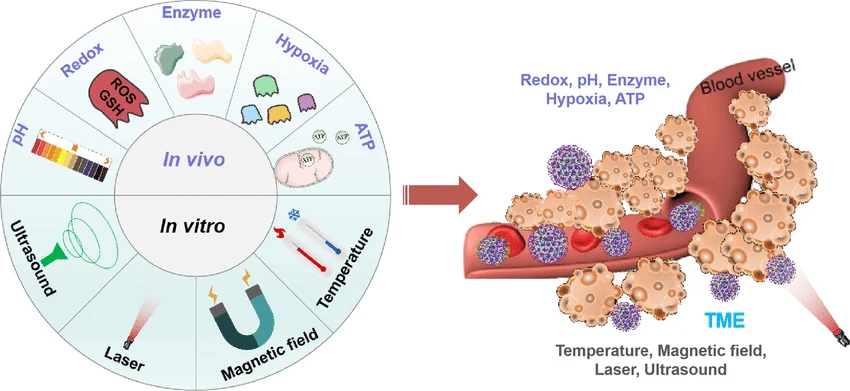
Limitations of Targeted and Selective Systems
Although targeting and selective activation improve specificity, they do not fully overcome poor interstitial penetration.
Additional limitations include:
- Loss of promoter specificity over time
- Tumor heterogeneity
- Limited availability of unique molecular targets
- Potential off-target activation
Consequently, combination approaches are often necessary.
Future Perspectives in Viral Vector Delivery
Improving viral vector delivery remains one of the most important challenges in cancer gene therapy.
Future research directions include:
- Optimization of intratumoral infusion technologies
- Development of devices preventing viral dissemination
- Engineering less immunogenic viral particles
- Discovery of highly tumor-specific molecular targets
- Design of vectors activated selectively within tumors
- Integration of nanotechnology with viral delivery systems
- Combination of gene therapy with immunotherapy and targeted therapies
Advances in these areas may significantly enhance therapeutic efficacy while minimizing systemic toxicity.
Conclusion
Viral vectors are among the most powerful tools in modern gene therapy due to their natural ability to transfer genetic material into cells. However, effective delivery to tumor tissues remains limited by multiple biological barriers, including abnormal tumor vasculature, elevated interstitial pressure, poor tissue penetration, immune clearance, and off-target accumulation in healthy organs.
Several innovative strategies are currently being developed to improve viral vector performance, including polymer surface engineering, targeted delivery systems, selective activation mechanisms, convection-enhanced intratumoral infusion, and self-replicating viral platforms.
Although major challenges remain, continuous progress in molecular engineering, nanomedicine, tumor biology, and biomaterials science is rapidly advancing the field. Future generations of viral vectors are expected to become more selective, less toxic, and substantially more effective for precision cancer therapy and personalized medicine.