
Introduction to Retinoblastoma Protein in Lung Cancer
The retinoblastoma (RB) gene is one of the most important tumor suppressor genes involved in the regulation of cell cycle progression and cellular proliferation. Located on chromosome 13q14, the RB gene encodes the retinoblastoma protein (pRB), a nuclear phosphoprotein that plays a central role in controlling the transition from the G1 phase to the S phase of the cell cycle. Alterations in this gene can disrupt normal growth regulation and contribute to malignant transformation in several types of cancers.
Initially identified in hereditary and sporadic retinoblastoma, abnormalities in the RB gene have subsequently been detected in many other human malignancies, including lung cancer. Structural mutations, deletions, and altered expression of RB messenger RNA or RB protein have been associated with tumor initiation, uncontrolled proliferation, aggressive tumor behavior, and poor differentiation in various neoplastic diseases.
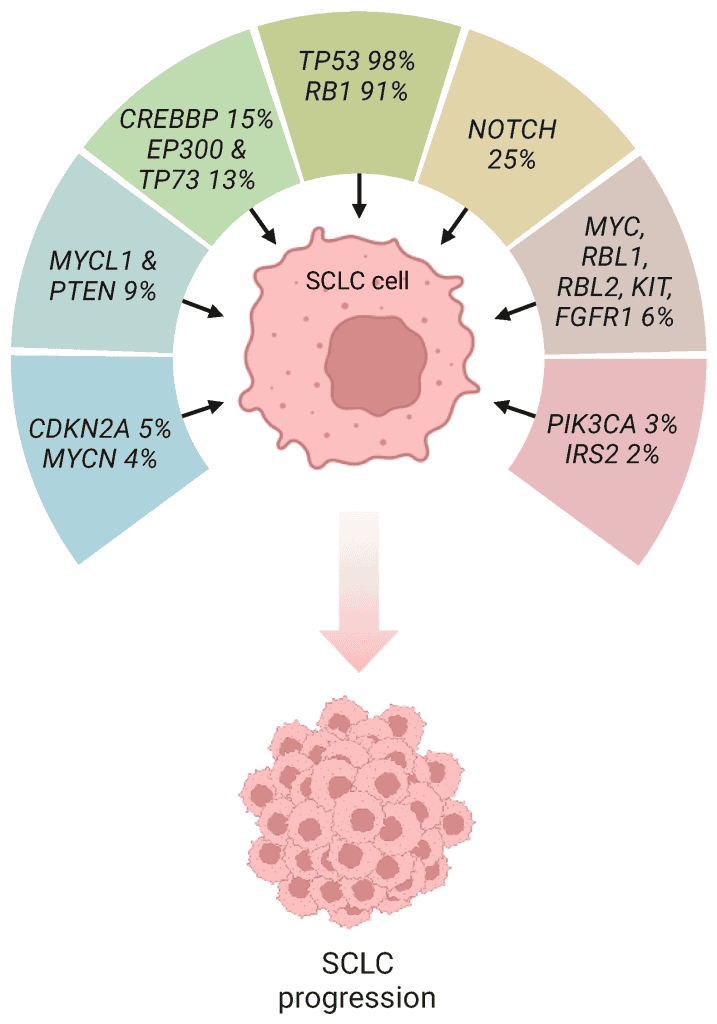
Among pulmonary malignancies, small cell lung carcinoma (SCLC) demonstrates one of the highest frequencies of RB gene abnormalities. Loss of RB protein expression is considered a characteristic molecular event in this highly aggressive subtype of lung cancer. In contrast, non-small cell lung carcinoma (NSCLC) generally exhibits a lower incidence of RB alterations, although several studies suggest that reduced RB protein expression may still influence tumor progression, differentiation status, and clinical prognosis.
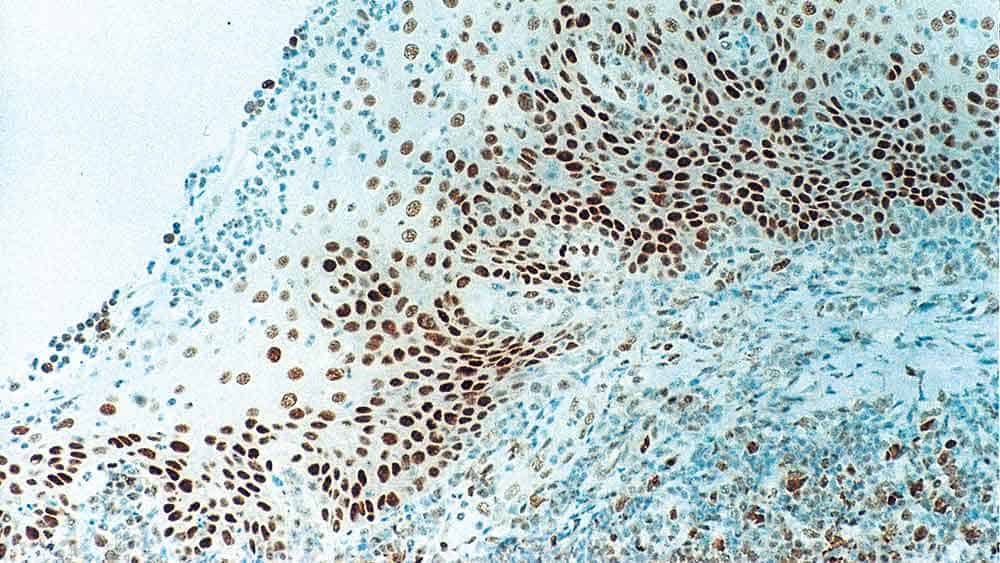
Because RB protein acts directly within the nucleus of tumor cells, immunohistochemical analysis has become an important technique for evaluating RB expression in lung cancer tissues. Immunohistochemistry enables visualization of protein localization within tumor sections while preserving tissue architecture, allowing researchers to assess both the intensity and distribution of RB protein expression in cancer cells.
Biological Function of the RB Protein
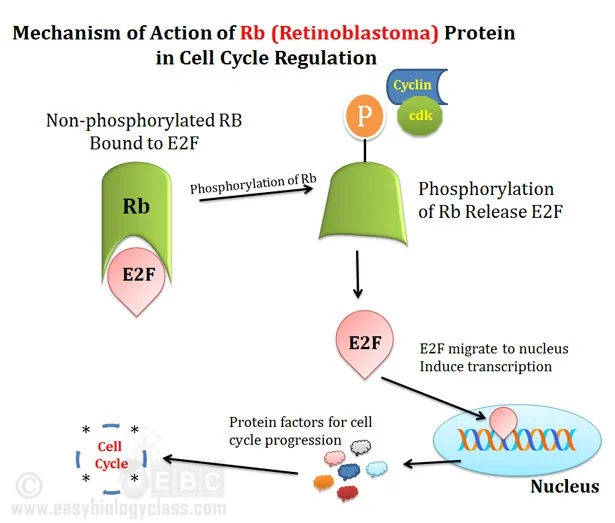
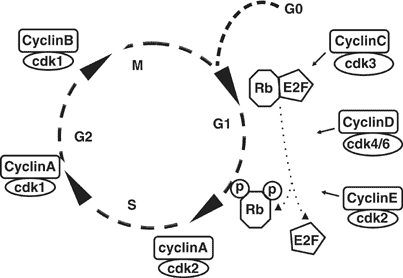
The RB protein is a key regulator of cellular growth control. Under normal physiological conditions, pRB binds to transcription factors involved in DNA synthesis and prevents inappropriate cell cycle progression. Through phosphorylation and dephosphorylation cycles, RB protein controls cellular entry into the DNA replication phase.
When RB protein becomes inactivated due to gene mutation, deletion, or abnormal phosphorylation, cells lose an important checkpoint mechanism. This loss allows uncontrolled cellular proliferation, genomic instability, and tumor development.
The phosphorylation state of RB protein changes dynamically during the cell cycle:
- Hypophosphorylated RB protein suppresses cell proliferation
- Hyperphosphorylated RB protein permits progression into the S phase
- Loss of RB activity removes growth inhibition entirely
Because of this regulatory function, RB abnormalities are strongly associated with carcinogenesis and tumor aggressiveness.
Objective of the Immunohistochemical Study
The study investigated RB protein expression in surgically resected lung cancer tissues using immunohistochemical staining techniques. Researchers aimed to determine:
- The frequency of RB protein abnormalities in lung cancer
- Differences between small cell and non-small cell lung carcinomas
- Associations between RB expression and clinicopathological factors
- Potential prognostic value of RB protein status
A total of 108 lung cancer tissue samples were analyzed, including:
- 100 non-small cell lung carcinomas
- 8 small cell lung carcinomas
The investigation focused on evaluating the absence, reduction, or preservation of RB protein expression within tumor cell nuclei.
Materials and Methods
Tissue Samples and Patient Characteristics
The study examined formalin-fixed, paraffin-embedded lung cancer specimens obtained from surgically treated patients. The patient population included both men and women ranging from 35 to 80 years of age.
The histological subtypes included:
- Squamous cell carcinoma
- Adenocarcinoma
- Large cell carcinoma
- Adenosquamous carcinoma
- Small cell lung carcinoma
Tumors were classified according to the international TNM staging system to assess disease progression and metastatic involvement.
Immunohistochemical Detection of RB Protein
Immunohistochemistry was performed using a monoclonal antibody directed against the RB protein. The staining protocol involved:
- Tissue deparaffinization
- Blocking endogenous peroxidase activity
- Incubation with anti-RB monoclonal antibody
- Application of biotinylated secondary antibody
- Visualization using diaminobenzidine chromogen
- Counterstaining with methyl green
RB protein expression was evaluated according to nuclear staining patterns within cancer cells.
Tumors were categorized into three expression groups:
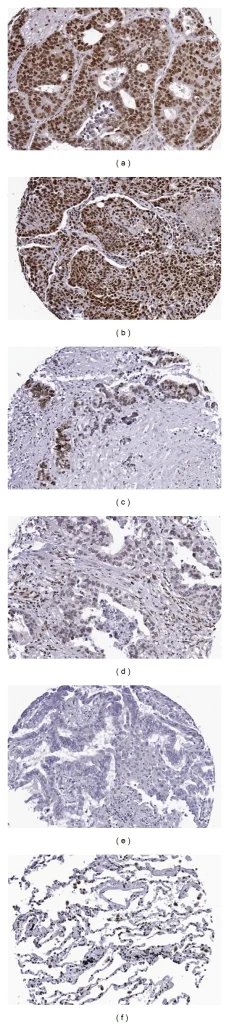
Strongly RB-Positive (+)
Tumors containing numerous RB-positive cancer cells throughout the tissue.
Weakly RB-Positive (±)
Tumors showing only rare RB-positive cells within limited regions.
RB-Negative (-)
Tumors completely lacking detectable RB protein expression.
RB Protein Expression Patterns in Lung Cancer
Findings in Non-Small Cell Lung Carcinoma
Most non-small cell lung carcinomas retained RB protein expression.
Among the 100 NSCLC cases:
- 77% showed strong RB positivity
- 17% demonstrated weak RB expression
- 6% were completely RB-negative
These findings indicate that RB protein abnormalities occur in a minority of NSCLC tumors.
Importantly, no strong association was identified between RB expression status and:
- Tumor stage
- Tumor size
- Lymph node involvement
- Overall pathological progression
However, poorly differentiated squamous cell carcinomas tended to exhibit more frequent RB abnormalities compared with well-differentiated tumors.
Findings in Small Cell Lung Carcinoma
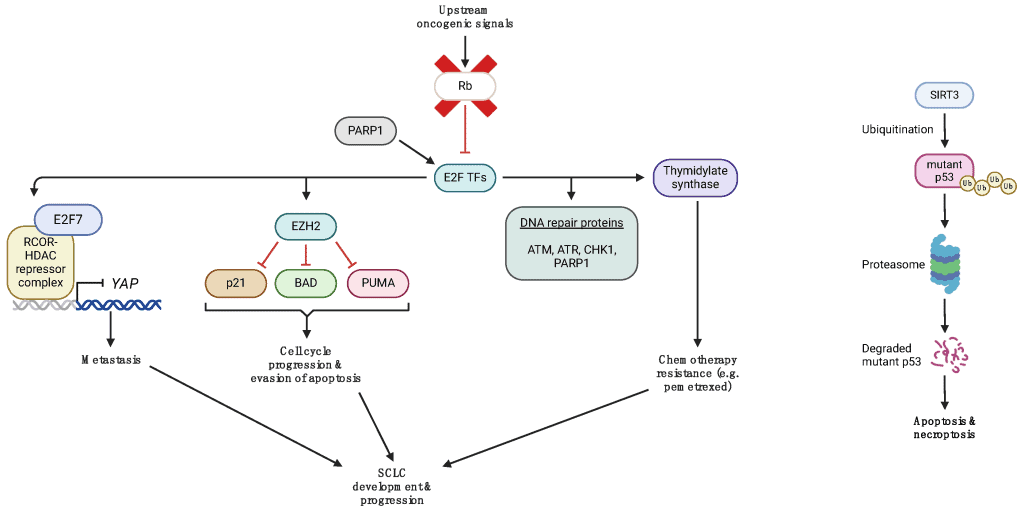
The majority of small cell lung carcinomas lacked RB protein expression entirely.
Among the 8 SCLC cases:
- 88% were RB-negative
- Only one case retained strong RB positivity
This striking contrast between NSCLC and SCLC supports the concept that RB inactivation is a major molecular hallmark of small cell lung cancer.
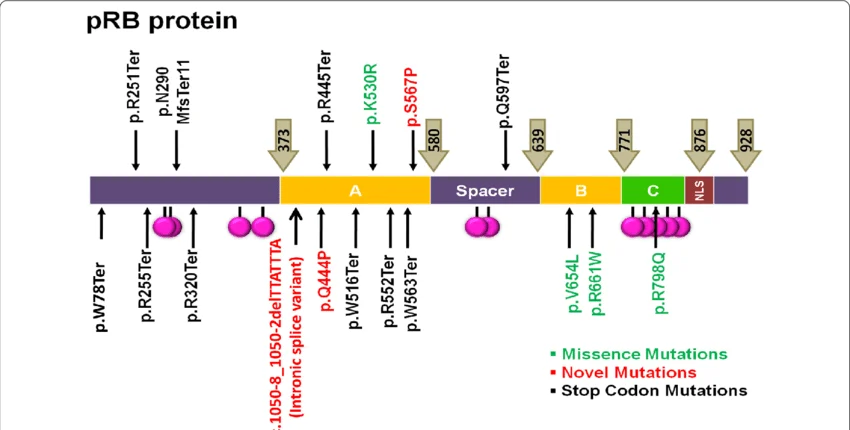
Loss of RB expression in SCLC is consistent with previous molecular studies demonstrating:
- Chromosome 13q deletions
- RB gene rearrangements
- Point mutations
- Reduced RB mRNA transcription
- Absence of functional RB protein
These abnormalities likely contribute to the aggressive biological behavior characteristic of SCLC.
Relationship Between RB Protein and Tumor Differentiation
One important observation from the study involved tumor differentiation status.
Well-differentiated squamous cell carcinomas generally maintained strong RB protein expression, whereas poorly differentiated tumors more frequently demonstrated RB loss or reduced staining.
This suggests that RB abnormalities may contribute not only to tumor initiation but also to dedifferentiation and acquisition of more aggressive phenotypes.
Researchers proposed that certain RB-negative NSCLC tumors may share biological characteristics with small cell lung carcinoma, especially in poorly differentiated tumors expressing neuroendocrine features.
Prognostic Significance of RB Protein Expression
The study also evaluated postoperative survival in patients with non-small cell lung carcinoma who underwent potentially curative surgery.
Patients with weak or absent RB expression tended to have poorer survival outcomes compared with strongly RB-positive patients.
Observed trends included:
- Reduced long-term survival rates
- Worse prognosis in stage I disease
- Increased aggressiveness in RB-deficient tumors
However, statistical significance was not fully achieved due to:
- Limited sample size
- Relatively short follow-up duration
- Small number of RB-negative cases
Although RB status showed potential prognostic relevance, additional large-scale studies were considered necessary to confirm its clinical utility.
Clinical Importance of RB Protein Analysis
Immunohistochemical evaluation of RB protein offers several important clinical and research applications:
Tumor Classification
RB staining patterns help distinguish between small cell and non-small cell lung carcinoma.
Biological Characterization
RB abnormalities provide insight into tumor aggressiveness and differentiation status.
Prognostic Assessment
Reduced RB expression may identify patients with more aggressive disease behavior.
Molecular Oncology Research
RB protein analysis contributes to understanding mechanisms of cell cycle dysregulation in lung cancer.
RB Protein and Cell Cycle Regulation in Cancer
The RB pathway is now recognized as one of the central regulatory systems disrupted in human malignancies.
RB dysfunction may result from:
- Gene deletions
- Point mutations
- Epigenetic silencing
- Abnormal phosphorylation
- Protein degradation
Loss of RB activity promotes:
- Uncontrolled proliferation
- Increased mitotic activity
- Resistance to growth inhibition
- Genomic instability
- Tumor progression
Because of its essential role in oncogenesis, the RB pathway has become a major focus in cancer biology and targeted therapeutic research.
Conclusion
Retinoblastoma protein expression analysis provides valuable insight into the molecular pathology of lung cancer. Immunohistochemical studies demonstrate that RB protein abnormalities are highly frequent in small cell lung carcinoma but relatively uncommon in non-small cell lung carcinoma.
The loss or reduction of RB protein expression appears closely associated with aggressive tumor biology, poor differentiation, and potentially unfavorable prognosis. While RB abnormalities are considered a defining molecular event in small cell lung carcinoma, their role in non-small cell lung carcinoma remains more limited and variable.
Current evidence suggests that RB protein status may contribute to tumor characterization and prognostic evaluation, although additional large-scale investigations with extended clinical follow-up are necessary to establish its full clinical significance.
Understanding RB pathway dysfunction continues to play an essential role in modern cancer research, particularly in the development of targeted therapies and personalized oncology approaches for lung cancer patients.