
Introduction to Injectable Biodegradable Hydrogels
Injectable biodegradable hydrogels represent one of the most promising classes of biomaterials in modern biomedical engineering and regenerative medicine. These highly hydrated polymeric networks are capable of absorbing and retaining large amounts of water or biological fluids while maintaining a three-dimensional structure. Due to their physicochemical similarity to the natural extracellular matrix (ECM), hydrogels provide an ideal microenvironment for cells, biomolecules, and therapeutic agents.
The growing interest in hydrogel-based technologies is mainly driven by their exceptional biocompatibility, tunable mechanical properties, and minimally invasive administration methods. Their soft and flexible structure minimizes tissue irritation after implantation, while their porous architecture supports the diffusion of oxygen, nutrients, metabolites, and signaling molecules. These characteristics make injectable hydrogels highly suitable for numerous biomedical applications, including:
- Controlled drug delivery
- Protein and gene therapy
- Tissue engineering and regenerative medicine
- Cell encapsulation
- Wound healing
- Biomedical adhesives
- Implant coatings
- Cancer therapy
- Localized therapeutic systems
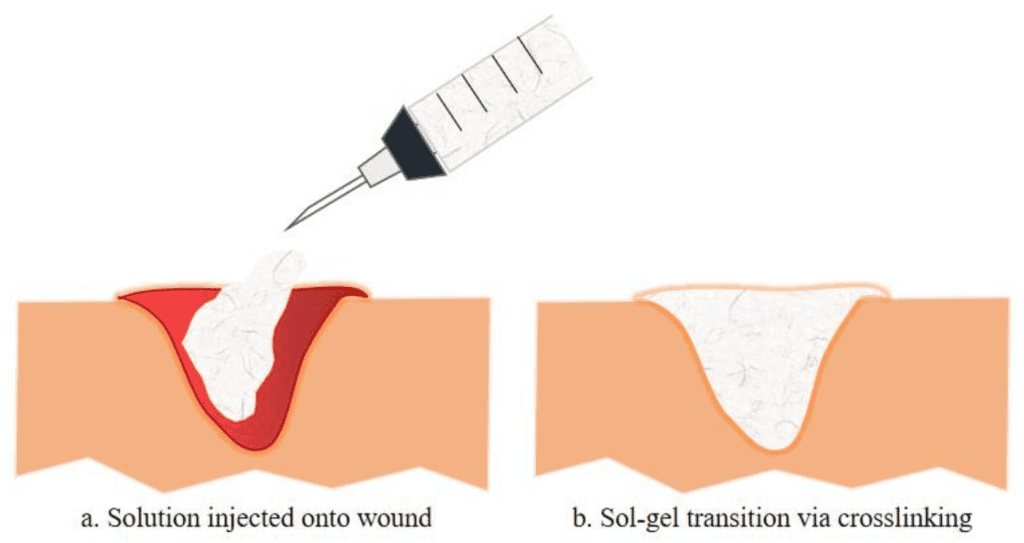
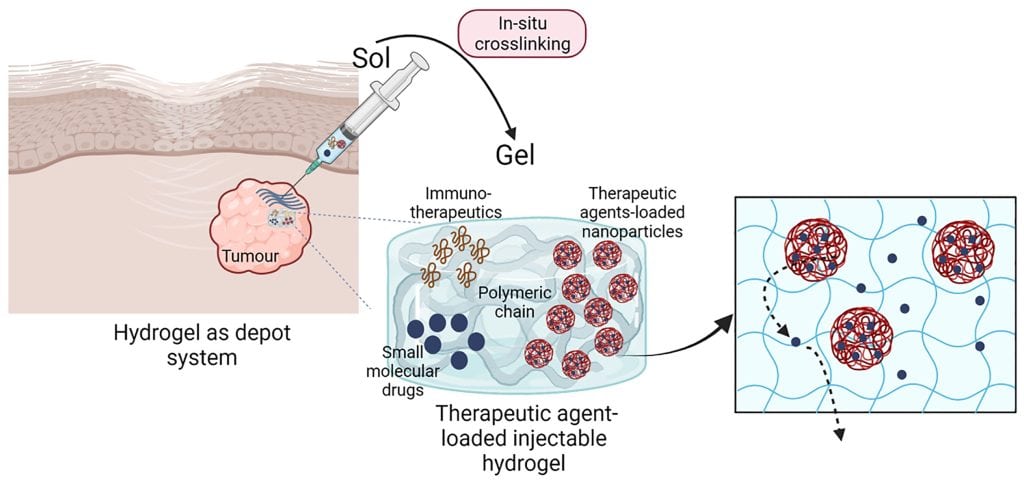
Unlike traditional preformed implants, injectable hydrogels can be administered as liquid precursors that undergo gelation directly inside the body. This in situ formation capability significantly reduces surgical complexity, patient discomfort, infection risk, and recovery time.
Fundamental Structure and Properties of Hydrogels
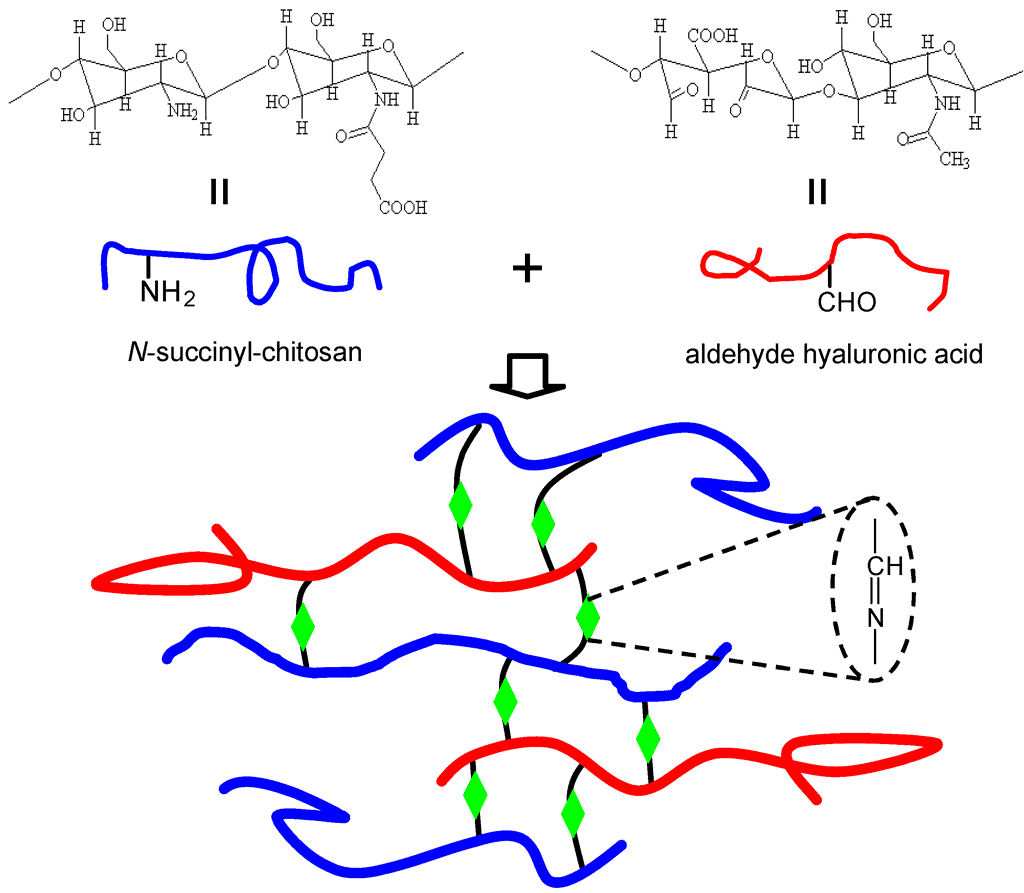
Hydrogels are formed from natural or synthetic polymers interconnected through physical or chemical cross-linking mechanisms.
Physical Cross-Linking
Physically cross-linked hydrogels rely on non-covalent interactions such as:
- Hydrogen bonding
- Electrostatic interactions
- Hydrophobic interactions
- Van der Waals forces
These systems are attractive because they avoid potentially toxic chemical reactions and can often be formed under mild physiological conditions. However, physically cross-linked hydrogels generally exhibit lower mechanical stability and may rapidly disintegrate in vivo due to disruption of weak intermolecular interactions.
Chemical Cross-Linking
Chemically cross-linked hydrogels contain covalent bonds between polymer chains, resulting in enhanced structural integrity and long-term stability. Several chemical gelation strategies are commonly used, including:
- Photo-crosslinking
- Schiff-base reactions
- Michael-type addition reactions
- Disulfide bond formation
- Enzyme-mediated polymerization
Chemically cross-linked injectable hydrogels are particularly valuable for long-term biomedical applications because they exhibit superior mechanical strength, predictable degradation behavior, and controlled release capabilities.
Advantages of Injectable Hydrogels in Biomedical Engineering
Injectable hydrogel systems provide major advantages compared with conventional scaffold implantation techniques.
Minimally Invasive Administration
Injectable hydrogels eliminate the need for large surgical incisions because they can be delivered through syringes or catheters. This minimally invasive strategy reduces:
- Tissue trauma
- Surgical complications
- Patient discomfort
- Hospitalization time
- Risk of infection
In Situ Gel Formation
After injection, the hydrogel precursor undergoes gelation directly at the target site. This allows the biomaterial to conform precisely to irregular tissue defects or anatomical structures.
Localized Therapeutic Delivery
Injectable hydrogels can act as localized drug depots capable of sustained and controlled release of:
- Proteins
- Peptides
- Growth factors
- Nucleic acids
- Small molecule drugs
- Stem cells
This localized delivery improves therapeutic efficiency while reducing systemic toxicity.
Tissue-Mimicking Properties
Because hydrogels possess high water content and ECM-like architecture, they support:
- Cell adhesion
- Cell proliferation
- Cell differentiation
- Tissue regeneration
- Matrix deposition
These properties are essential for regenerative medicine and tissue engineering applications.
Injectable Hydrogels for Protein Drug Delivery
Challenges in Protein Therapeutics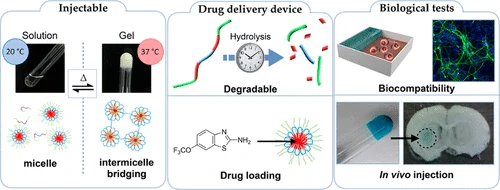
Therapeutic proteins have become increasingly important in the treatment of chronic diseases, cancers, autoimmune disorders, and inflammatory conditions. However, protein-based drugs face several major limitations:
- Poor biological stability
- Rapid enzymatic degradation
- Short plasma half-life
- Low bioavailability
- Frequent dosing requirements
- Potential immunogenicity
Many protein therapeutics are rapidly cleared from circulation due to their small molecular size or degradation by proteolytic enzymes.
Why Hydrogels Are Ideal Protein Delivery Systems
Injectable hydrogels provide an excellent platform for protein delivery because they create a hydrated environment that preserves protein structure and biological activity.
Key advantages include:
- High water content that stabilizes proteins
- Mild encapsulation conditions
- Protection against denaturation
- Sustained and localized release
- Reduced injection frequency
- Improved patient compliance
Design Criteria for Injectable Hydrogel Drug Delivery Systems
Gel Network Structure
The architecture of the hydrogel network strongly influences drug release behavior and mechanical performance.
Cross-Linking Density
Cross-linking density determines several critical properties:
- Mesh size
- Swelling ratio
- Mechanical stiffness
- Drug diffusivity
- Degradation rate
A highly cross-linked hydrogel generally exhibits:
- Smaller pore size
- Lower swelling
- Slower drug diffusion
- Greater mechanical strength
However, excessive cross-linking may negatively affect biocompatibility and restrict nutrient transport.
Drug Release Mechanisms
Protein release from injectable hydrogels typically occurs through:
- Diffusion-controlled release
- Swelling-controlled release
- Surface erosion
- Bulk degradation
- Combined mechanisms
The dominant release mechanism depends largely on the relationship between hydrogel mesh size and protein dimensions.
Biodegradability
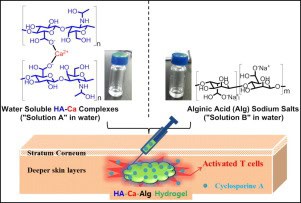
Biodegradable hydrogels gradually degrade after fulfilling their therapeutic function, eliminating the need for surgical removal.
Hydrogel degradation can occur through:
- Hydrolysis
- Enzymatic cleavage
- Oxidative degradation
An ideal degradation profile should match the duration of therapeutic release and tissue regeneration.
Strategies for Controlled Protein Release
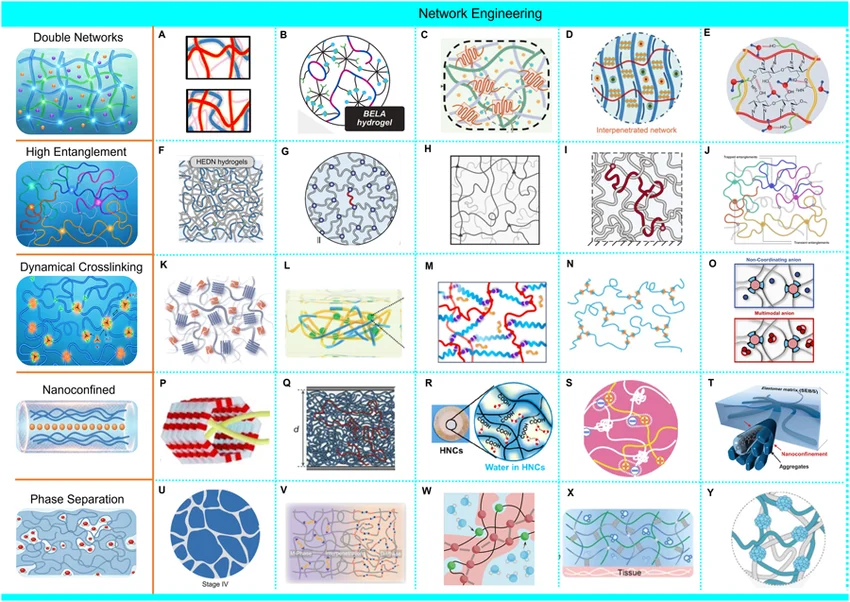
Hydrogel Network Engineering
One of the most effective methods to control protein release involves tailoring hydrogel network architecture through manipulation of:
- Polymer concentration
- Molecular weight
- Cross-linker content
- Gelation conditions
Reducing mesh size slows protein diffusion and prolongs release duration.
PEG-Based Injectable Hydrogels
Polyethylene glycol (PEG)-based hydrogels are widely studied for sustained protein delivery because of their excellent biocompatibility and tunable degradation profiles.
Hyaluronic Acid-Based Hydrogels
Hyaluronic acid (HA) hydrogels have shown strong potential for controlled cytokine and growth factor delivery in cancer therapy and regenerative medicine.
Composite Hydrogel Systems
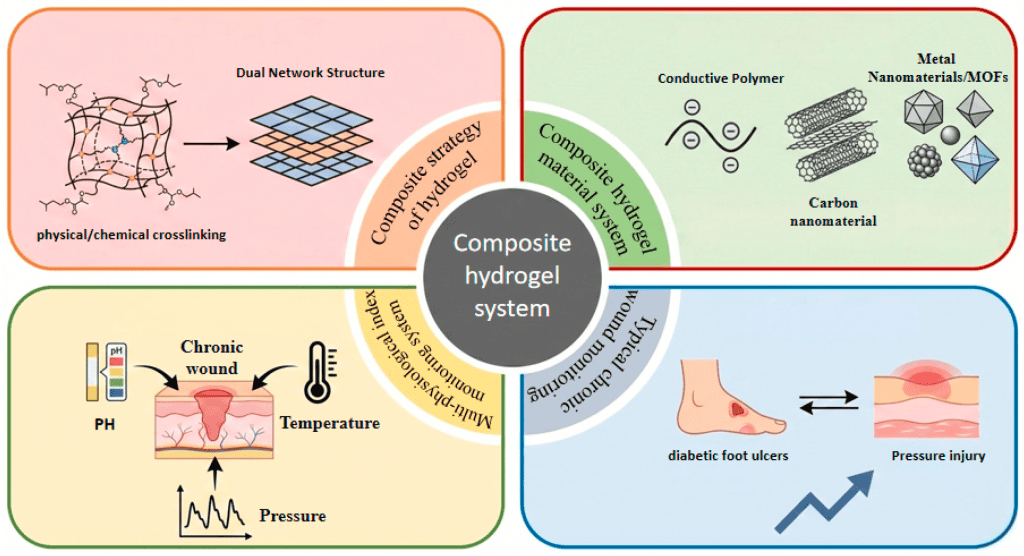
Composite hydrogels combine hydrogel matrices with drug-loaded micro- or nanoparticles to improve release kinetics.
Advantages of Composite Systems
These systems provide:
- Reduced burst release
- Extended therapeutic duration
- Enhanced drug stability
- Improved loading efficiency
PLGA Microsphere-Embedded Hydrogels
Poly(lactic-co-glycolic acid) (PLGA) microspheres are frequently embedded inside injectable hydrogels to create dual-barrier release systems.
This strategy allows sustained protein release over several weeks.
Affinity-Based Injectable Hydrogels
Affinity hydrogels use reversible molecular interactions between therapeutic proteins and affinity ligands incorporated into the hydrogel matrix.
Heparin-Based Hydrogels
Heparin-functionalized hydrogels are commonly used for controlled growth factor delivery because heparin naturally binds many angiogenic proteins.
These systems improve:
- Protein stability
- Retention time
- Biological activity
Aptamer-Functionalized Hydrogels
Advanced injectable hydrogels now incorporate nucleic acid aptamers capable of highly specific protein recognition.
Aptamer-based systems provide:
- Precise molecular targeting
- Tunable release kinetics
- High specificity
- Low immunogenicity
Injectable Hydrogels in Tissue Engineering
Role of Hydrogels as Artificial ECM
In tissue engineering, injectable hydrogels function as synthetic extracellular matrices that organize cells within a three-dimensional microenvironment.
These scaffolds support:
- Cell attachment
- Migration
- Proliferation
- Differentiation
- Matrix synthesis
Major Components of Tissue Engineering Systems
Successful tissue engineering strategies generally involve:
- Cells
- Biomaterial scaffolds
- Growth factors
- Mechanical and biochemical cues
Injectable hydrogels provide the structural platform integrating all these elements.
Design Requirements for Tissue Engineering Hydrogels
An ideal tissue engineering hydrogel should possess:
Biocompatibility
The material must support cellular viability without causing toxicity or severe immune reactions.
Mechanical Integrity
Hydrogels must withstand physiological forces while maintaining structural stability during tissue regeneration.
Mass Transport Properties
Efficient transport of nutrients, oxygen, and waste products is essential for long-term cell survival.
Tunable Degradation
The degradation rate should closely match the rate of new tissue formation.
Injectable Hydrogel Formation Strategies
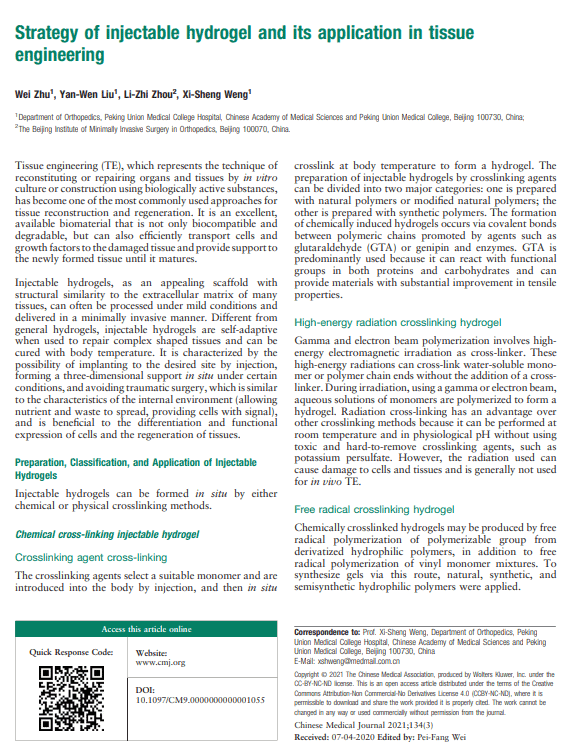
Several advanced in situ gelation approaches are used in modern hydrogel engineering.
Photopolymerization
Light-triggered gelation enables spatial and temporal control over hydrogel formation.
Thermo-Responsive Hydrogels
These systems transition from liquid to gel in response to temperature changes near physiological conditions.
Self-Assembling Hydrogels
Self-assembling peptide and protein hydrogels spontaneously organize into nanofibrous structures through non-covalent interactions.
Enzyme-Mediated Cross-Linking
Enzymes such as horseradish peroxidase (HRP) and transglutaminase enable rapid hydrogel formation under mild conditions compatible with living cells.
Biological Functionalization of Injectable Hydrogels
Synthetic hydrogels often lack intrinsic biological signals required for efficient cell interaction.
To improve cellular responses, researchers incorporate bioactive ligands such as:
- RGD peptides
- Laminin-derived sequences
- Growth factor-binding motifs
- ECM-derived peptides
These modifications enhance:
- Cell adhesion
- Cell signaling
- Tissue integration
- Regenerative performance
Mechanical Properties and Cellular Behavior
Cells are highly sensitive to the mechanical properties of their microenvironment.
Hydrogel stiffness influences:
- Cell morphology
- Stem cell differentiation
- Migration
- Proliferation
- Gene expression
For example:
- Softer hydrogels often promote neuronal differentiation
- Stiffer hydrogels may encourage fibrotic responses
- Intermediate stiffness can support cartilage regeneration
Therefore, mechanical tuning is a critical design parameter in hydrogel-based regenerative therapies.
Injectable Hydrogels for Gene Delivery
Injectable biodegradable hydrogels are increasingly explored for localized gene therapy applications.
siRNA and DNA Delivery
Hydrogels can provide sustained release of:
- Small interfering RNA (siRNA)
- Plasmid DNA
- Gene-editing systems
Localized hydrogel-mediated gene delivery improves:
- Gene silencing efficiency
- Cellular uptake
- Therapeutic duration
- Target specificity
Injectable Hydrogel Adhesives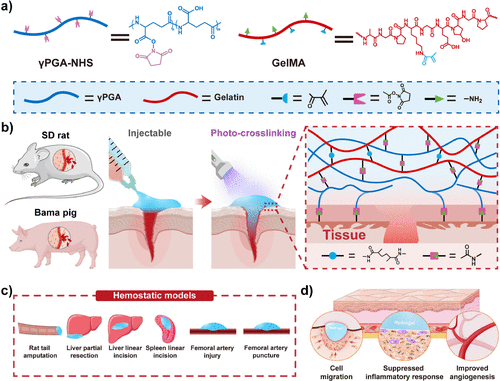
Limitations of Conventional Surgical Adhesives
Traditional surgical adhesives such as fibrin glue and cyanoacrylates suffer from several drawbacks:
- Weak adhesion under wet conditions
- Cytotoxicity
- Poor mechanical strength
- Limited biodegradability
Mussel-Inspired Adhesive Hydrogels
Researchers have developed bioinspired injectable adhesives based on catechol-containing molecules such as DOPA.
These systems mimic the underwater adhesion strategy of marine mussels and exhibit:
- Strong wet adhesion
- Excellent biocompatibility
- Injectable delivery
- Biodegradability
- Rapid gelation
Applications include:
- Wound closure
- Tissue sealing
- Hemostasis
- Organ repair
- Cell transplantation
Future Perspectives of Injectable Biodegradable Hydrogels
Injectable biodegradable hydrogels continue to evolve as multifunctional biomaterials capable of integrating drug delivery, tissue engineering, gene therapy, and bioadhesion within a single platform.
Future research is focused on:
- Smart stimuli-responsive hydrogels
- 3D bioprintable hydrogel systems
- Personalized biomaterials
- Immunomodulatory hydrogels
- Nanocomposite injectable systems
- Precision-controlled therapeutic release
- Advanced regenerative medicine applications
The combination of tunable chemistry, minimally invasive administration, and biomimetic functionality positions injectable hydrogels as one of the most transformative technologies in next-generation biomedical engineering and translational medicine.